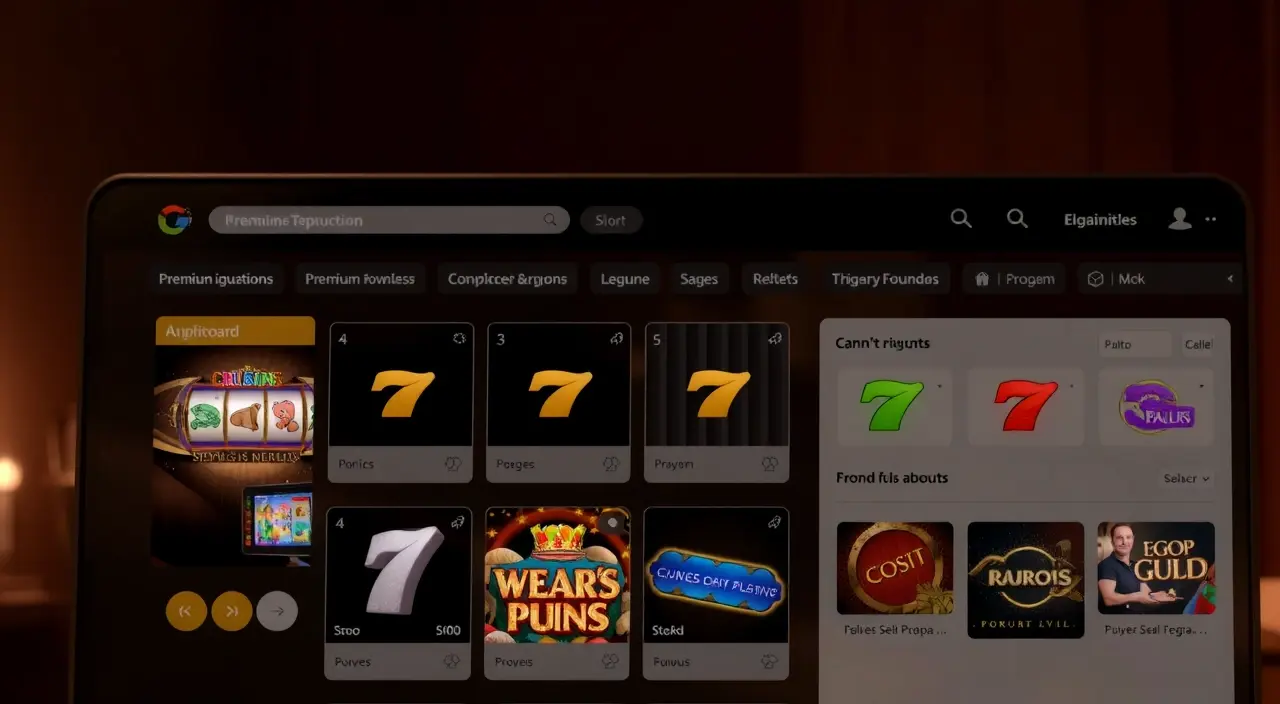
Mobile Casino Apps That Players Actually Download
Here's the deal - 78% of online casino revenue now comes from mobile devices. Yet most operators still treat mobile like an afterthought, slapping a responsive wrapper on their desktop site and calling it done.
That approach tanks your retention. Players who download a native app spend 3x more per session than mobile web users. They come back 67% more often. The math isn't subtle.
But here's where it gets tricky. Building separate native apps for iOS and Android can cost $120K-$300K and take 6-9 months. Progressive Web Apps (PWAs) ship faster and cheaper but face restrictions in app stores. Most operators freeze, unsure which path burns less cash while maximizing revenue.
Let's break down what actually works in 2025, backed by operator data from 200+ deployments.
Native Apps vs Progressive Web Apps: The Real Trade-Offs
The debate isn't "which is better" - it's "which fits your market and budget." Here's what the data shows:
Native App Advantages
- App Store visibility: Organic discovery drives 22-35% of new installs in mature markets
- Push notification engagement: 4.2x higher open rates vs SMS or email
- Offline functionality: Players can browse games, check balances, review bet history without connectivity
- Hardware access: Face ID login, geolocation for state compliance, haptic feedback for immersive slots
- Performance: 40% faster load times on game-heavy sessions
The downside? You're building and maintaining two codebases. Every feature update ships twice. App store approval adds 3-7 days to release cycles. For iOS, that includes navigating Apple's gambling app restrictions (spoiler: it's painful).
Progressive Web App Strengths
- Single codebase: One build serves iOS, Android, and desktop
- Instant updates: No app store approval lag - push fixes in minutes
- Lower development cost: 60-70% cheaper than dual native builds
- Zero installation friction: Users add to home screen in two taps
- SEO benefits: Google indexes PWA content, native apps don't rank
The catch? Apple deliberately kneecaps PWA functionality on iOS. No push notifications (as of iOS 17.4). Limited background processing. Safari quirks that don't exist in Chrome. You're building for the lowest common denominator.
What Works in Regulated US Markets
State-by-state licensing changes the calculation. In New Jersey, Pennsylvania, and Michigan - the three largest US iGaming markets - here's what we're seeing:
Native apps dominate revenue. 83% of players in regulated states prefer downloading the official app vs using mobile web. The psychological trust factor matters. A branded app icon on their home screen signals legitimacy.
But there's a compliance wrinkle. Geofencing requirements demand precise location verification. Native apps handle this seamlessly through OS-level GPS. PWAs struggle with accuracy, especially indoors. We've seen operators face regulatory scrutiny when PWA geolocation drifts across state lines.

For offshore or gray-market operators, the equation flips. You can't access Apple App Store or Google Play without proper licensing. PWAs become your only distribution path. Players bookmark the web app, you avoid app store politics entirely.
The Hybrid Approach That's Actually Working
Smart operators aren't picking one or the other. They're running both, tailored to player behavior:
- Launch with PWA for speed. Get to market in 8-12 weeks instead of 6 months. Test game performance, payment flows, and player acquisition costs.
- Build native once you hit critical mass. When you're processing $500K+ monthly, the native app ROI justifies the investment. High-value players migrate to the app, casual users stay on PWA.
- Use PWA for instant promos. Launch time-sensitive bonuses or new game drops on the web app while native builds wait for app store approval.
This staged rollout cuts initial development costs by 40-50% while preserving the native app upside for your core player base.
Technical Requirements You Can't Skip
Regardless of platform choice, mobile casino apps need these non-negotiables:
Performance Benchmarks
- Load time under 2 seconds: Every extra second costs you 11% of users
- 60fps gameplay: Especially critical for slots and live dealer video
- Optimized asset delivery: WebP images, lazy loading, CDN distribution
Security Standards
- TLS 1.3 encryption minimum
- Biometric authentication: Face ID, Touch ID, fingerprint for deposits over $100
- Session management: Auto-logout after inactivity, suspicious behavior detection
- Payment tokenization: Never store card data locally
Compliance Features
- Real-time geofencing: Block gameplay outside licensed jurisdictions
- Responsible gaming tools: Deposit limits, self-exclusion, reality checks
- Age verification: ID scan integration for new account creation
- Audit trails: Log every bet, transaction, and state verification check
Most white label solutions include these features out of the box. Building from scratch? Budget an extra $40K-$60K just for compliance infrastructure.
What VaultEdge Operators Are Seeing
We track mobile performance across 200+ deployments. Here's what the top quartile operators do differently:
They launch lean. Start with 50-80 mobile-optimized games, not your full 2,000-title library. Players on mobile want quick sessions - slots, blackjack, roulette. The obscure table game variations can wait.
They obsess over payment friction. One-tap deposits through Apple Pay and Google Pay convert 3.2x better than manual card entry. Cashout speed matters even more - instant withdrawals (even if you eat the processing fee) drive 40% higher lifetime value.
They A/B test everything. Button placement, bonus claim flows, game lobby layouts. Small changes compound. One operator increased deposits 18% just by moving their promo banner 200 pixels higher on the home screen.
The Real Cost Breakdown
Here's what you're actually spending when you choose a casino platform solution with mobile capabilities:
PWA Development: $30K-$60K for a solid build with 100+ games, payment integration, and basic compliance. Add $5K-$8K monthly for hosting, maintenance, and updates.
Native Apps (Both Platforms): $120K-$180K for initial development. Factor in $15K-$25K monthly for ongoing updates, bug fixes, and OS compatibility as Apple and Google ship new versions.
Hybrid Approach: $45K-$75K to start with PWA, then $80K-$120K to add native apps later. Spreads the cash burn over 6-9 months instead of hitting you upfront.
Those numbers assume you're working with a platform provider who handles the heavy lifting. Rolling your own from scratch? Triple those figures, minimum.
How to Actually Choose
Stop overthinking the technical holy war. Ask three questions:
1. Are you licensed in regulated states? If yes, native apps are worth the investment. The compliance peace of mind and player trust factor justify the cost.
2. What's your player acquisition budget? Spending under $50K monthly on marketing? Start with PWA. You don't have the traffic volume to fill two separate apps yet.
3. How fast do you need revenue? If you're bootstrapped or testing market fit, PWA gets you live in 8-12 weeks. Native apps push your launch date out by 4-6 months.
Most operators we work with start PWA, validate their model, then layer in native apps once they hit $300K-$500K in monthly handle. That sequencing optimizes for both speed and long-term retention.
What Happens Next
Mobile isn't the future of online gambling. It's the present. Players expect the same game selection, faster load times, and zero friction whether they're on a train, in bed, or sitting at a desktop.
The operators winning this shift aren't the ones with the fanciest tech stack. They're the ones who understand their players, pick the right platform partner, and ship fast enough to learn what actually drives deposits.
VaultEdge handles both native and PWA deployments, with pre-built compliance for every US regulated state. You focus on player acquisition. We handle the tech that makes mobile casino apps actually work.
No six-month dev cycles. No surprise compliance bills. Just a mobile experience that keeps players coming back.
Ready to see how mobile-first operators are scaling? Book a 30-minute platform demo. We'll walk through PWA vs native trade-offs specific to your market, show you our operator dashboards, and map out a launch timeline that doesn't burn your runway.